
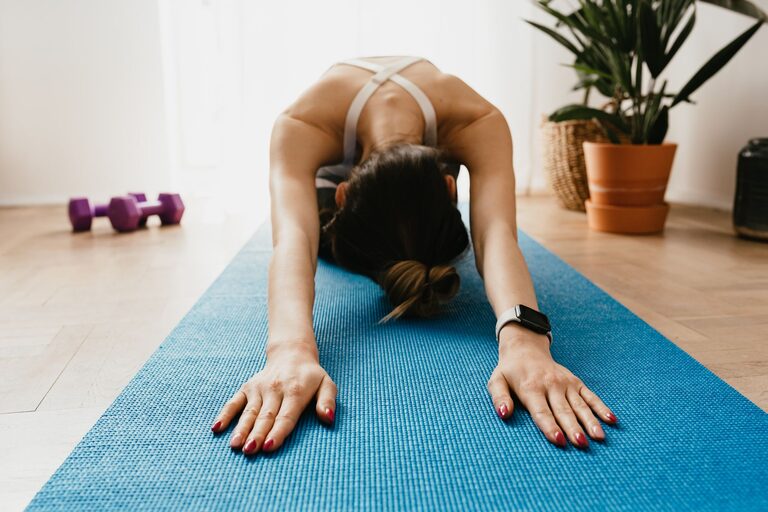
Stretching is a simple yet powerful way to improve your flexibility, reduce muscle stiffness, and promote overall well-being. You don’t need a gym membership or fancy equipment to start—just a little space at home and a few minutes each day. This beginner’s guide will walk you through the basics of stretching at home, helping you create a safe and effective routine.
Why Stretch at Home?
Stretching regularly offers numerous benefits:
– Improves flexibility, making everyday movements easier.
– Reduces muscle tension and soreness.
– Enhances circulation, which can speed up recovery.
– Promotes relaxation and stress relief.
– Prepares your body for physical activities, reducing injury risk.
Doing stretches at home allows you to fit this healthy habit into your daily routine without the need for travel or special gear.
Types of Stretching
Before jumping into exercises, it helps to know the common types of stretching:
Static Stretching
This involves holding a stretch for 15–60 seconds. It’s great for improving flexibility and is best done after workouts or anytime you want to relax your muscles.
Dynamic Stretching
Dynamic stretches use movement to gently take your muscles through their range of motion. These are ideal for warming up before exercise.
Active Stretching
In active stretching, you hold a position using your own muscle strength without external help. It builds strength and flexibility.
Passive Stretching
Passive stretching involves using a partner, a prop, or gravity to hold the stretch. This type is usually deeper but requires caution to avoid overstretching.
Getting Started: Tips for Safe Stretching at Home
Before beginning your stretching routine, keep these safety tips in mind:
– Warm up your body briefly with light activity like walking or marching in place for 3–5 minutes.
– Stretch slowly and never bounce, as this can cause strain or injury.
– Listen to your body—a gentle pull is good, but sharp pain is a warning to stop.
– Breathe deeply and evenly to help your muscles relax.
– Hold each stretch for at least 20 seconds to gain maximum benefit.
– Stay consistent by stretching at least 3 times a week for noticeable improvement.
Basic Stretching Routine for Beginners
Here’s a simple routine targeting major muscle groups. Perform these stretches ideally after a light warm-up or at the end of your day.
1. Neck Stretch
– Sit or stand tall.
– Slowly tilt your head toward your right shoulder until you feel a gentle stretch.
– Hold for 20 seconds and switch sides.
2. Shoulder Stretch
– Bring your right arm across your body.
– Use your left hand to gently press your arm closer to your chest.
– Hold for 20–30 seconds and switch arms.
3. Chest Opener
– Clasp your hands behind your back.
– Straighten your arms and lift your chest, pulling your hands downward.
– Hold for 20 seconds, feeling the stretch across your chest and shoulders.
4. Side Stretch
– Stand with feet shoulder-width apart.
– Raise your right arm overhead and lean to the left.
– Hold for 20 seconds and repeat on the other side.
5. Seated Forward Fold
– Sit on the floor with legs extended straight.
– Slowly bend forward from your hips, reaching for your toes.
– Keep your back straight and hold for 30 seconds.
– Don’t worry if you can’t reach your toes right away; just go as far as comfortable.
6. Butterfly Stretch
– Sit down with the soles of your feet together.
– Hold your feet with your hands and gently press your knees toward the floor.
– Hold the stretch for 20–30 seconds.
7. Hamstring Stretch
– Lie on your back and lift one leg toward the ceiling.
– Hold behind your thigh or calf, keeping your leg straight.
– Hold for 20 seconds and switch legs.
8. Calf Stretch
– Stand facing a wall.
– Place one foot behind the other.
– Keep your back leg straight and heel on the ground as you lean forward.
– Hold for 20 seconds and switch sides.
Creating Your Own Stretching Schedule
Consistency is key to improving flexibility. To build a sustainable habit:
– Choose a time of day that fits your schedule—morning stretches can energize you, while evening stretches can help you relax before bed.
– Aim for 10–15 minutes per session.
– Gradually add stretches or increase hold times as you become more comfortable.
– Use online videos or apps for guidance if you prefer instruction.
When to Avoid Stretching
While stretching is generally safe, avoid stretching if you have:
– Acute injuries (sprains, strains)
– Severe joint pain or swelling
– Recent surgery without medical clearance
If you’re unsure, consult a healthcare professional before beginning any new exercise routine.
Final Thoughts
Stretching at home is an accessible and effective way to take care of your body. With a few simple stretches practiced regularly, you can enjoy greater flexibility, less muscle tension, and improved overall comfort. Remember to start gently, be patient with your progress, and most importantly, enjoy the process. Your body will thank you!